
Two similar words, two different ideas
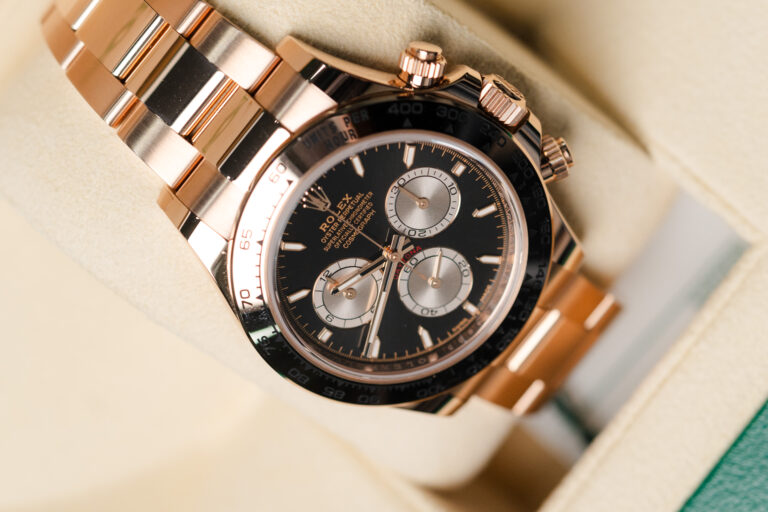
A chronograph is a complication: a watch with a built‑in stopwatch you can start, stop and reset. A chronometer is a precision certification: a movement (or whole watch) that passes an accuracy standard like COSC (ISO 3159) or METAS “Master Chronometer”. You can own a chronograph that is also a chronometer — but the words are not interchangeable.
How a chronograph works (briefly)
Chronographs add a control system (pushers), a coupling (horizontal or vertical clutch) and a command mechanism (cam or column wheel). Column wheels feel crisper under the thumb; vertical clutches tend to reduce “hand jump” and allow the seconds to run continuously with less wear. None of this speaks to accuracy by itself; it’s about how the stopwatch function engages.
What ‘chronometer’ actually means
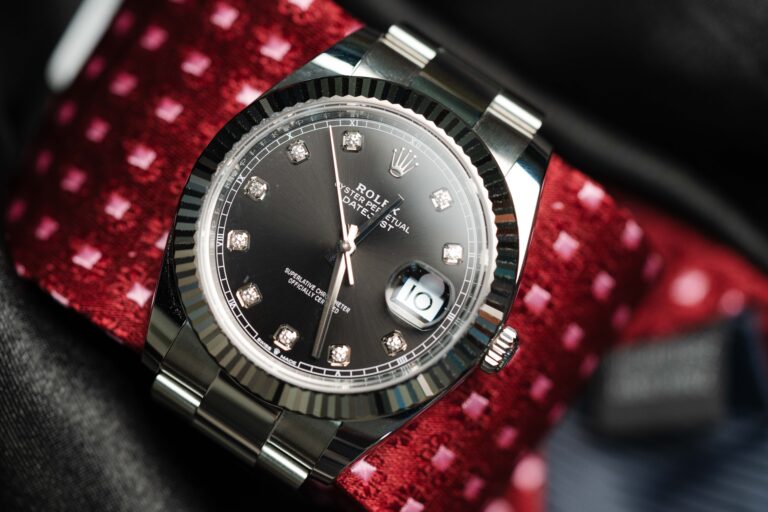
COSC tests uncased movements for 15 days across positions and temperatures to ISO 3159, requiring an average daily rate between −4/+6 seconds for most calibres. Brands may then apply additional in‑house standards once the movement is cased. METAS, by contrast, tests the finished, cased watch over 10 days for average daily rate (0/+5), magnetic resistance to 15,000 gauss, power reserve and water‑resistance. Rolex’s “Superlative Chronometer” goes beyond COSC once the watch is cased, committing to −2/+2 seconds per day alongside shock and waterproof tests. The upshot: “chronometer” tells you the watch has demonstrable, quantified precision, but which label you see depends on the lab and protocol.
Why it matters day to day
If your lifestyle puts you around magnets (laptops, MRI rooms, speakers), Master Chronometer‑grade anti‑magnetism can be a real advantage.
If you care about tight timekeeping with traditional architecture, Rolex’s −2/+2 spec is exemplary. In either case, service intervals, sealing and handling are just as important for keeping long‑term precision in the real world.
Buying tips
- Read the dial and the spec sheet: “Chronometer”, “Master Chronometer” and “Superlative Chronometer” have defined tolerances.
• Don’t confuse stopwatch functions (chronograph) with accuracy labels (chronometer).
• If you plan to use the chronograph daily, favour modern architectures with robust clutches and service support.
Sources
https://www.cosc.swiss/en/
https://www.iso.org/standard/2518.html
https://www.tudorwatch.com/en/inside-tudor/watchmaking/metas-certification
https://quillandpad.com/2019/07/18/all-you-need-to-know-about-omegas-metas-master-chronometer-testing-plus-the-de-ville-tresor-in-sedna-gold/
https://www.rolex.com/en-us/watches/oyster-perpetual/features